The Silica Rule Is Stayed. Your Dust Control Shouldn’t Wait.
Dust and silica filtration for mining operations — engineering controls built for MSHA’s silica standards today and the tighter limits that may follow, including the cabin air your operators breathe every shift.
Updated October 13, 2026. This page originally described MSHA’s 2024 silica rule as in effect. A federal court has stayed the rule’s compliance deadlines, and MSHA continues to enforce the existing silica standards (bulletin P26-01, April 9, 2026).
The Limit May Drop. The Risk Hasn’t Changed.
Respirable crystalline silica has been a known hazard in mining for decades — released through cutting, drilling, excavating, and crushing, and small enough to lodge in the lungs and cause irreversible disease. What may change is how tightly it’s regulated.
MSHA’s 2024 silica rule would lower the permissible exposure limit to 50 micrograms per cubic meter, half the current limit, with a 25 microgram action level that triggers additional sampling. A federal court has stayed the rule’s compliance deadlines, and MSHA is enforcing the existing silica standards (30 CFR 56.5001, 56.5005, 57.5001 and 57.5005) in the meantime. If the rule takes effect as written, a sampling result over the limit would require respirators and immediate corrective action.
MSHA’s approach favors engineering controls over relying on respirators alone. That means the filtration and ventilation systems at your site, not just the PPE your crew wears, are the front line of compliance.
Two Places Dust Gets Overlooked
Most dust control conversations focus on the work area. Two spots get missed more often than they should.
Site-Wide Dust Control
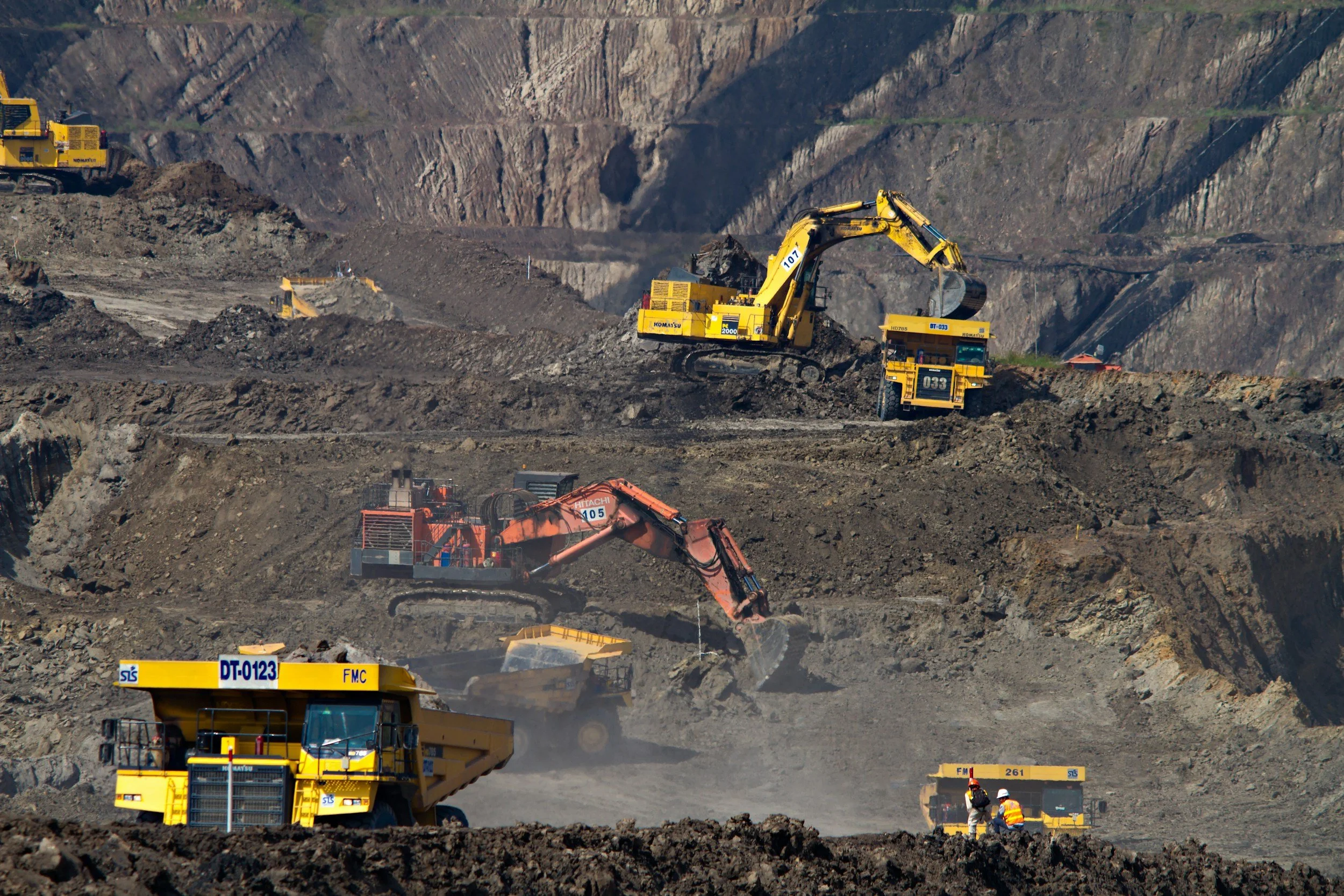
Cutting, drilling, crushing, and excavating all generate respirable silica dust at the source. Commonly used systems in this application include dust collection sized to the specific operation and material, often paired with water-based suppression as a complementary control.
Operator Cabin Air
Operator cabins are often assumed to be a safe haven from dust — but fine silica particles regularly infiltrate cabin air through door seals, HVAC intake, and pressurization gaps, putting the operator at risk even while "protected" inside the cab. Commonly used filters in this application include cabin intake and recirculation filtration sized to the specific vehicle and HVAC system.
If your dust control plan stops at the work area and doesn't address operator cabins specifically, there's a real gap. Contact us to talk through what your site and equipment actually need. If dust collection, cabin filtration, and other equipment are coming from separate vendors, our vendor consolidation guide covers what it takes to bring those under one partner.
We Know Dust. We Know the Rule.
Vast Filtration comes from a filtration background three generations deep. For mining operations, that means understanding both the engineering side of dust control and the compliance pressure driving it.
✅ We understand the application. Site dust control and cabin air are two different problems, and we treat them that way.
✅ We provide what you need. Dust collection filtration and cabin intake/recirculation filters — matched to your equipment and operation.
✅ We move fast. Compliance deadlines and equipment downtime don't wait. We don't string you along with lead times that put your schedule at risk.
✅ We don't oversell. If a simpler filtration solution meets your application and your compliance requirement, that's what we'll recommend.
Frequently Asked Questions
What is the current MSHA silica exposure limit?
The 2024 rule would set a permissible exposure limit (PEL) of 50 micrograms per cubic meter, calculated as an 8-hour time-weighted average, with an action level of 25 micrograms per cubic meter, for both coal and metal/nonmetal mines. A federal court has stayed compliance with the rule, and MSHA is enforcing the existing silica standards in the meantime (see MSHA bulletin P26-01, April 9, 2026).
What happens if a silica sampling result exceeds the PEL?
If the 2024 rule takes effect as written (30 CFR Part 60), a sampling result over the PEL would require the mine operator to take immediate corrective action to lower the concentration of silica dust. Until a subsequent sample is at or below the PEL, the operator would have to make approved respirators available and ensure they are worn. Respiratory protection is intended as a temporary measure.
Are operator cabins actually at risk for silica dust exposure?
Yes. Operator cabins are often assumed to be dust-safe, but fine silica particles can infiltrate cabin air through door seals, HVAC intake, and pressurization gaps. Proper cabin intake and recirculation filtration is an often-overlooked piece of a complete dust control plan.
Does MSHA prefer engineering controls or respirators for silica compliance?
MSHA’s approach favors engineering controls — like dust collection and ventilation systems — over reliance on respirators alone. Under the 2024 rule, respiratory protection would be required as a response when exposure exceeds the PEL, but it’s not meant to substitute for proper engineering controls at the source.