

The Silica Rule Just Got Tighter. Your Filtration Should Too.
Dust and silica filtration for mining operations — engineering controls built to meet MSHA's tightened exposure limits, including the cabin air your operators breathe every shift.
The Limit Dropped. The Risk Didn't Change.
Respirable crystalline silica has been a known hazard in mining for decades — released through cutting, drilling, excavating, and crushing, and small enough to lodge in the lungs and cause irreversible disease. What's changed is how tightly it's regulated.
MSHA's silica rule lowered the permissible exposure limit from 100 micrograms per cubic meter down to 50, with a 25 microgram action level that triggers mandatory monitoring and response. When a sampling result exceeds the PEL, operators have to act immediately to bring concentrations down, and provide respiratory protection until levels fall back under the limit.
MSHA's rule explicitly favors engineering controls over relying on respirators alone. That means the filtration and ventilation systems at your site — not just the PPE your crew wears — are now squarely the front line of compliance.
Two Places Dust Gets Overlooked
Most dust control conversations focus on the work area. Two spots get missed more often than they should.
Site-Wide Dust Control
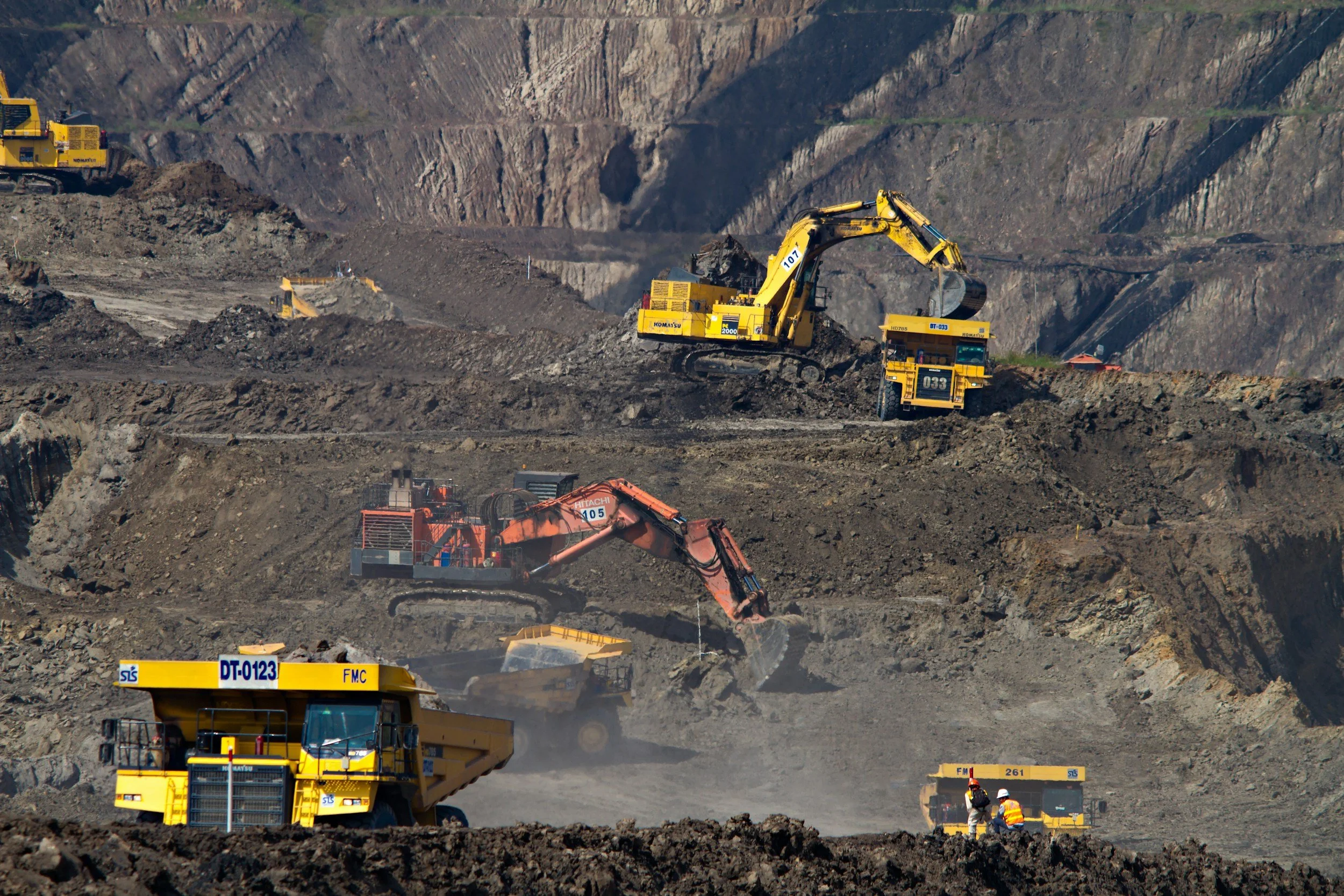
Cutting, drilling, crushing, and excavating all generate respirable silica dust at the source. Commonly used systems in this application include dust collection sized to the specific operation and material, often paired with water-based suppression as a complementary control.
Operator Cabin Air
Operator cabins are often assumed to be a safe haven from dust — but fine silica particles regularly infiltrate cabin air through door seals, HVAC intake, and pressurization gaps, putting the operator at risk even while "protected" inside the cab. Commonly used filters in this application include cabin intake and recirculation filtration sized to the specific vehicle and HVAC system.
If your dust control plan stops at the work area and doesn't address operator cabins specifically, there's a real gap. Contact us to talk through what your site and equipment actually need. If dust collection, cabin filtration, and other equipment are coming from separate vendors, our vendor consolidation guide covers what it takes to bring those under one partner.
We Know Dust. We Know the Rule.
Vast Filtration comes from a filtration background three generations deep. For mining operations, that means understanding both the engineering side of dust control and the compliance pressure driving it.
✅ We understand the application. Site dust control and cabin air are two different problems, and we treat them that way.
✅ We have what you need. Dust collection filtration and cabin intake/recirculation filters — matched to your equipment and operation.
✅ We move fast. Compliance deadlines and equipment downtime don't wait. We don't string you along with lead times that put your schedule at risk.
✅ We don't oversell. If a simpler filtration solution meets your application and your compliance requirement, that's what we'll recommend.
Frequently Asked Questions
What is the current MSHA silica exposure limit?
MSHA's final rule set the permissible exposure limit (PEL) for respirable crystalline silica at 50 micrograms per cubic meter, calculated as an 8-hour time-weighted average, with an action level of 25 micrograms per cubic meter. This applies uniformly to both coal and metal/nonmetal mines.
What happens if a silica sampling result exceeds the PEL?
The mine operator must take immediate action to lower the concentration of silica dust. Until a subsequent test result falls below the PEL, the operator must provide miners with respiratory protection that conforms to MSHA standards. If a miner cannot wear respiratory protection, the operator must provide an alternative work assignment.
Are operator cabins actually at risk for silica dust exposure?
Yes. Operator cabins are often assumed to be dust-safe, but fine silica particles can infiltrate cabin air through door seals, HVAC intake, and pressurization gaps. Proper cabin intake and recirculation filtration is an often-overlooked piece of a complete dust control plan.
Does MSHA prefer engineering controls or respirators for silica compliance?
MSHA's rule explicitly favors engineering controls — like dust collection and ventilation systems — over reliance on respirators alone. Respiratory protection is required as a response when exposure exceeds the PEL, but it's not meant to substitute for proper engineering controls at the source.